Market Context & Key Takeaways
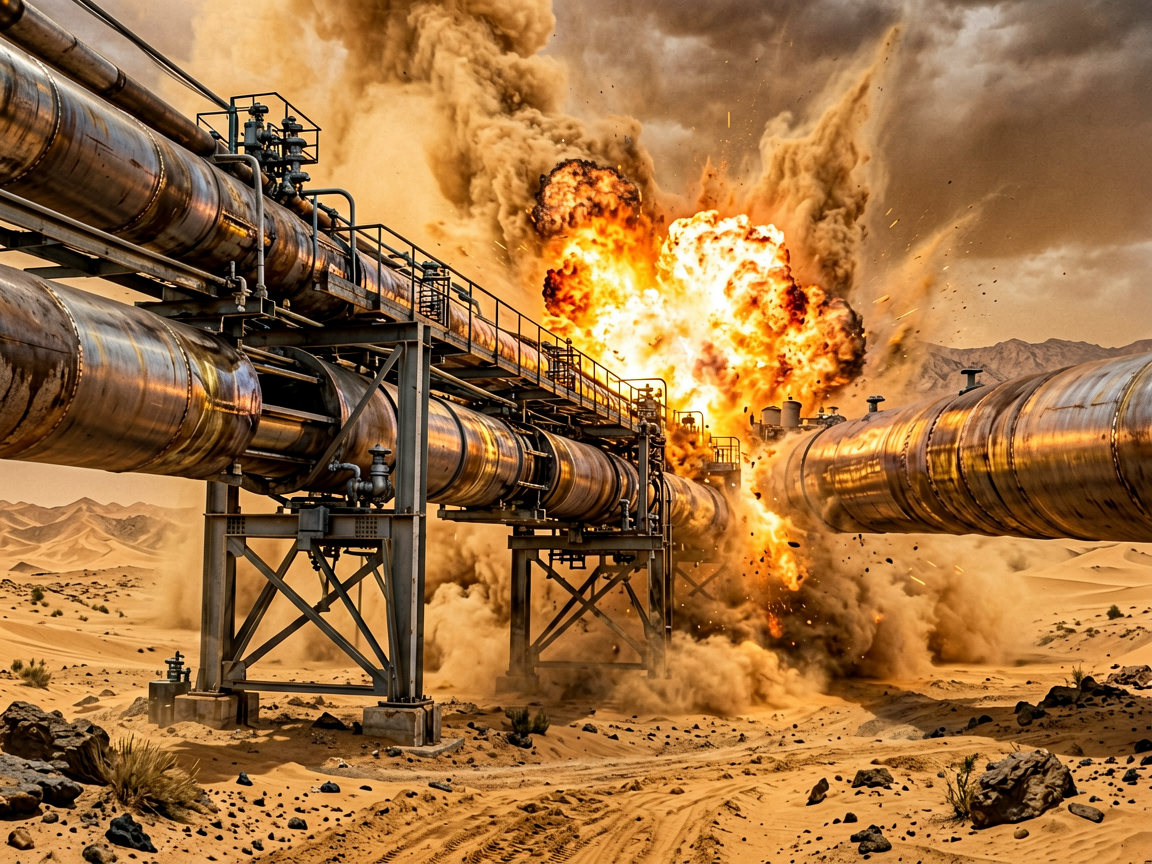
Major Chinese integrated mills—**Ansteel**, **Bengang**, and **Lingang**—have released their October 2026 pricing policies, announcing increases of **100–200 RMB/ton** across hot-rolled, cold-rolled, galvanized, and long-product categories. Concurrently, geopolitical disruptions in the Middle East, including the attack on Saudi Arabia's strategic east-west oil pipeline, have driven VLCC freight rates to record highs and raised energy cost concerns for Chinese steel producers. For overseas procurement managers, these developments signal a shift from stable to elevated FOB pricing heading into Q4.
Why This Impacts Overseas Sourcing Costs
The mill price increases directly raise the factory-gate cost of **Flat Steel (HRC, Heavy Steel Plates)**, **Stainless Steel Sheets and Coils**, and **Welded/Seamless Steel Pipes** destined for export. Below is a breakdown of the October pricing adjustments and their estimated impact on FOB Shanghai costs:
| Product Category | Mill | Price Change (RMB/T) | Approx. FOB Impact (USD/T) |
|---|---|---|---|
| **Hot Rolled Coil (HRC)** | Ansteel / Bengang | +200 | +$28–32 |
| **Cold Rolled Coil** | Ansteel / Bengang | +200 | +$28–32 |
| **Galvanized Coil** | Ansteel / Bengang | +200 | +$28–32 |
| **Heavy Steel Plate** | Ansteel / Bengang | +100 | +$14–18 |
| **Rebar & Wire Rod** | Ansteel / Bengang / Lingang | +100 | +$14–18 |
| **Special Steel / Seamless Pipe** | Lingang | +200 | +$28–32 |
In addition to mill-level increases, the following supply-chain factors are compounding cost pressures:
- **Energy Cost Inflation**: The attack on Saudi Arabia's east-west oil pipeline—a key artery carrying approximately 4% of global oil supply—has pushed WTI crude futures above a 2% intraday gain. The IEA projects 2026 global coal demand will reach a record **89.4 billion tonnes**, further supporting coking coal and coke prices that underpin Chinese **HRC** and **Heavy Plate** production costs.
- **Freight Rate Surge**: VLCC rates have hit all-time highs due to shipping route disruptions through the Strait of Hormuz. Buyers importing by bulk vessel should expect elevated ocean freight on every container or bulk shipment of **Seamless Pipes**, **Stainless Steel Coils**, and structural products.
- **Domestic Rebar Dynamics**: Weekly rebar average price fell 0.30% to **3,328 RMB/ton**, while production rose 1.46% and inventory dropped 2.08%. This indicates steady domestic demand but does not offset the October mill increases for export-oriented **Long Products** and **Rebar**.
- **Iron Ore Inventory Shift**: Port-level iron ore inventories declined by over 107万吨 week-over-week, while钢厂库存 rose by ~141万吨. Mills are restocking, which supports input cost stability but may delay further price concessions.
- **Macro Environment**: The US August CPI rose 3.4% year-over-year, yet the White House has signaled no rate-hike expectations. This maintains a relatively accommodative global trade environment for steel demand through late 2026.
Strategic Procurement Advice for Global Buyers
**For Flat Steel (HRC & Heavy Plates)**: Lock in orders now before October effective dates finalize. Ansteel and Bengang's 200 RMB/ton increase on HRC and cold-rolled products is the strongest signal of cost escalation this quarter. If your project timeline allows, consider pre-buying 60–90 day inventory at current negotiated rates.
**For Tubular Products (Seamless & Welded Pipes)**: Lingang's 200 RMB/ton increase on special steel and seamless pipe categories warrants immediate quotation requests. With coke and coking coal demand projected at historic highs, input costs for alloy-grade **Seamless Steel Pipes** (API 5L equivalents) face sustained pressure.
**For Stainless Steel (Sheets, Coils, Structural Elements)**: While the current data focuses on carbon steel mills, nickel and chromium input costs remain elevated given global energy inflation. Buyers of **Stainless Steel Sheets and Coils** should secure contracts before year-end, as freight costs alone may add $15–25/ton to landed costs.
**For Rebar and Structural Long Products**: The modest domestic rebar price softness (−0.30%) offers a narrow window, but the upcoming mill increase of +100 RMB/ton will close it. Procurement teams in Southeast Asia and the Middle East should prioritize Q4 delivery commitments now.
**Monitoring Indicators**: Track Saudi pipeline restoration timelines, VLCC rate movements, and next week's iron ore port inventory data. Any prolonged pipeline outage or Hormuz Strait escalation could push energy-driven steel costs another 3–5% higher in November.
Looking for factory-direct steel with full mill traceability and competitive pricing? Check our **Core Steel Products Catalog** or contact our Shanghai export division directly to request an optimized FOB Shanghai quote for your project specifications.