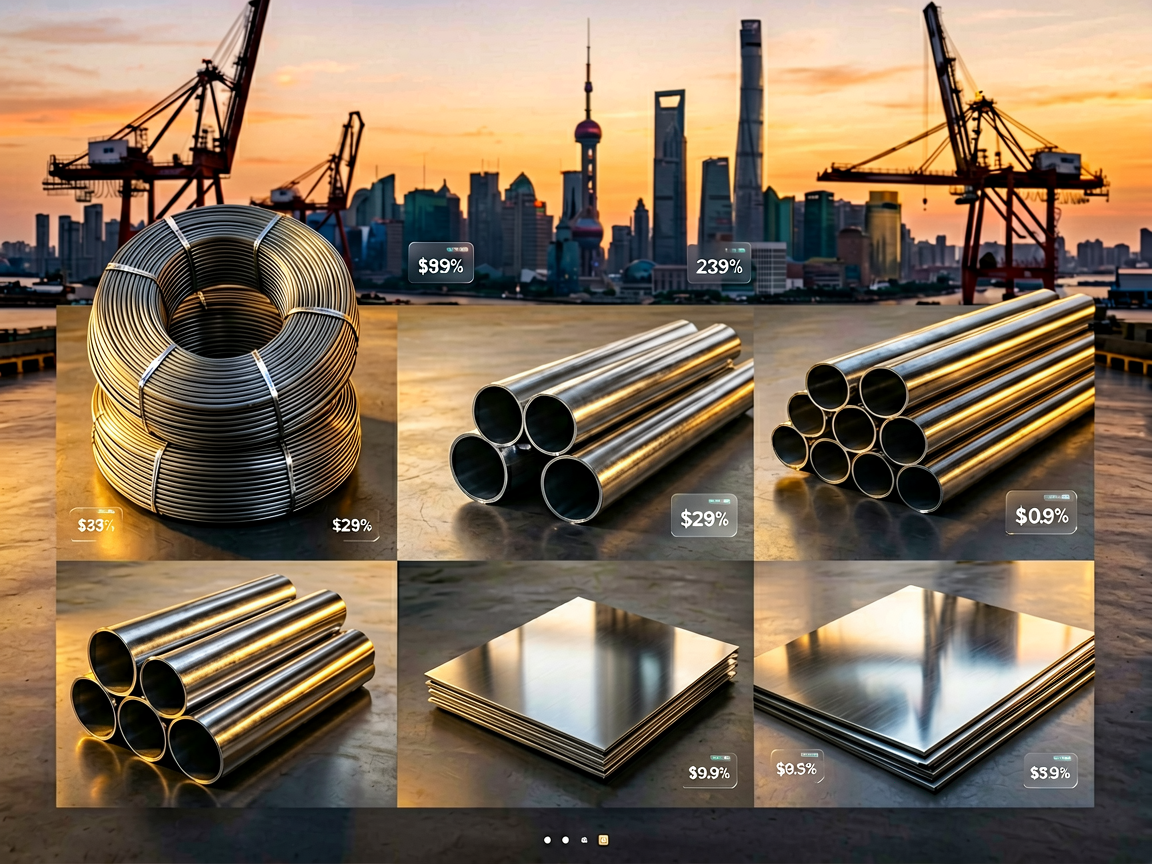
Market Context & Key Takeaways
Saudi Arabia's East-West Pipeline — the primary alternative export route bypassing the Strait of Hormuz — was **preemptively shut down** after repeated attacks on its Riyadh and Medina segments. Repair estimates run **3 to 5 weeks**, and with the Strait of Hormuz already under geopolitical strain, global crude supply confidence has eroded. **Brent crude surged past $110/barrel** on September 14, adding fresh inflationary pressure to global freight and energy-dependent supply chains.
For global steel buyers, this means **rising fuel surcharges on container and bulk carrier shipments from Chinese ports**, compounded by mill-level cost pass-throughs as coking coal and electricity prices react to energy market turbulence. Acting now — before Q4 peak-season demand collides with freight inflation — is the most prudent procurement stance.
Why This Impacts Overseas Sourcing Costs
The chain reaction from energy disruption to steel procurement costs runs through three primary channels: **ocean freight escalation**, **Chinese mill input cost pressure**, and **exchange-rate volatility**. Each directly affects the landed cost of your order.
| Cost Factor | Current Impact | 4–6 Week Outlook | Affected Product Lines |
|---|---|---|---|
| **Crude Oil Prices** (Brent) | >$110/bbl (+4% intraday) | Could test $120 if repairs exceed 5 weeks | All steel — direct freight and indirect energy costs |
| **Sea Freight Index** (Shanghai → Middle East / Europe) | Elevated and trending up | +8–15% bunker-adjusted freight expected within weeks | **HRC**, **Heavy Steel Plates**, **Industrial Piping** |
| **Coking Coal / Coke Prices** (China domestic) | Stable but under upward pressure | Possible 3–6% mill cost pass-through if energy persists | **Hot Rolled Coils (HRC)**, **Heavy Steel Plates** |
| **Nickel / Ferrochrome Prices** | Range-bound | Indirect energy-cost lift likely | **Stainless Steel Sheets & Coils**, **Stainless Structural Elements** |
| **Freight Bunker Surcharge** (SCFI) | Already pricing in Hormuz risk | Additional $200–400/FEU if pipeline stays offline >3 weeks | **Seamless Steel Pipes**, **Welded Pipes**, all tubular products |
**Key supply-chain risk:** Saudi Arabia's Yanbu port holds only **5–7 days of export inventory** at current throughput rates. Prolonged disruption forces production curtailment, which — while primarily an oil-market event — sends ripple effects through global chemical and energy commodity pricing that Chinese mills are already factoring into Q4 cost models.
Strategic Procurement Advice for Global Buyers
Based on the current trajectory, we recommend the following actions:
- **Lock in HRC and Heavy Plate orders now.** Chinese mill base prices are relatively stable today, but the combination of freight inflation and potential coal-cost pass-through will likely push **FOB Shanghai** rates higher within the next 4–6 weeks. Securing a firm quote this week captures current pricing before energy-driven markups take hold.
- **Prioritize Seamless and Welded Pipe procurement for Q4 delivery.** Tubular products carry disproportionate exposure to ocean freight — a single container load of **API 5L-grade Seamless Pipes** is significantly more sensitive to bunker surcharges than flat-steel break-bulk shipments. If your project timeline allows, move purchase orders forward.
- **Monitor不锈钢 (Stainless Steel) costs closely.** While **Stainless Steel Sheets and Coils** are less directly tied to energy input costs, secondary effects from nickel-processing energy expenses and freight can add 2–4% to landed costs. Consider placing partial orders now and hedging the remainder against October pricing.
- **Use fixed-freight contracts where possible.** If your supplier or freight forwarder offers **all-in FOB + freight quotes** with bunker-surcharge caps, take advantage now before carriers widen their adjustment bands.
- **Avoid delaying orders under the assumption that oil prices will moderate.** Analyst consensus suggests that even a swift pipeline repair does not guarantee freight cost relief — the Hormuz Strait situation remains unresolved, and insurers are already adjusting war-risk premiums on Middle East-bound vessels.
The intersection of energy disruption, freight inflation, and pre-Q4 demand creates a narrow procurement window. Buyers who act decisively now will protect their project budgets from compounding cost pressures in the months ahead.
---
Looking for factory-direct steel with full mill traceability and competitive pricing? Check our **Core Steel Products Catalog** or contact our Shanghai export division directly to request an optimized FOB Shanghai quote for your project specifications.